The State of Live Entertainment 2026
ARRIVE’s inaugural annual report on where live entertainment is headed — the trends shaping weddings, corporate events, venues, speakers, hybrid events, and the role of AI in event planning.

Rachel Romi
Head of Content, ARRIVE · June 10, 2026
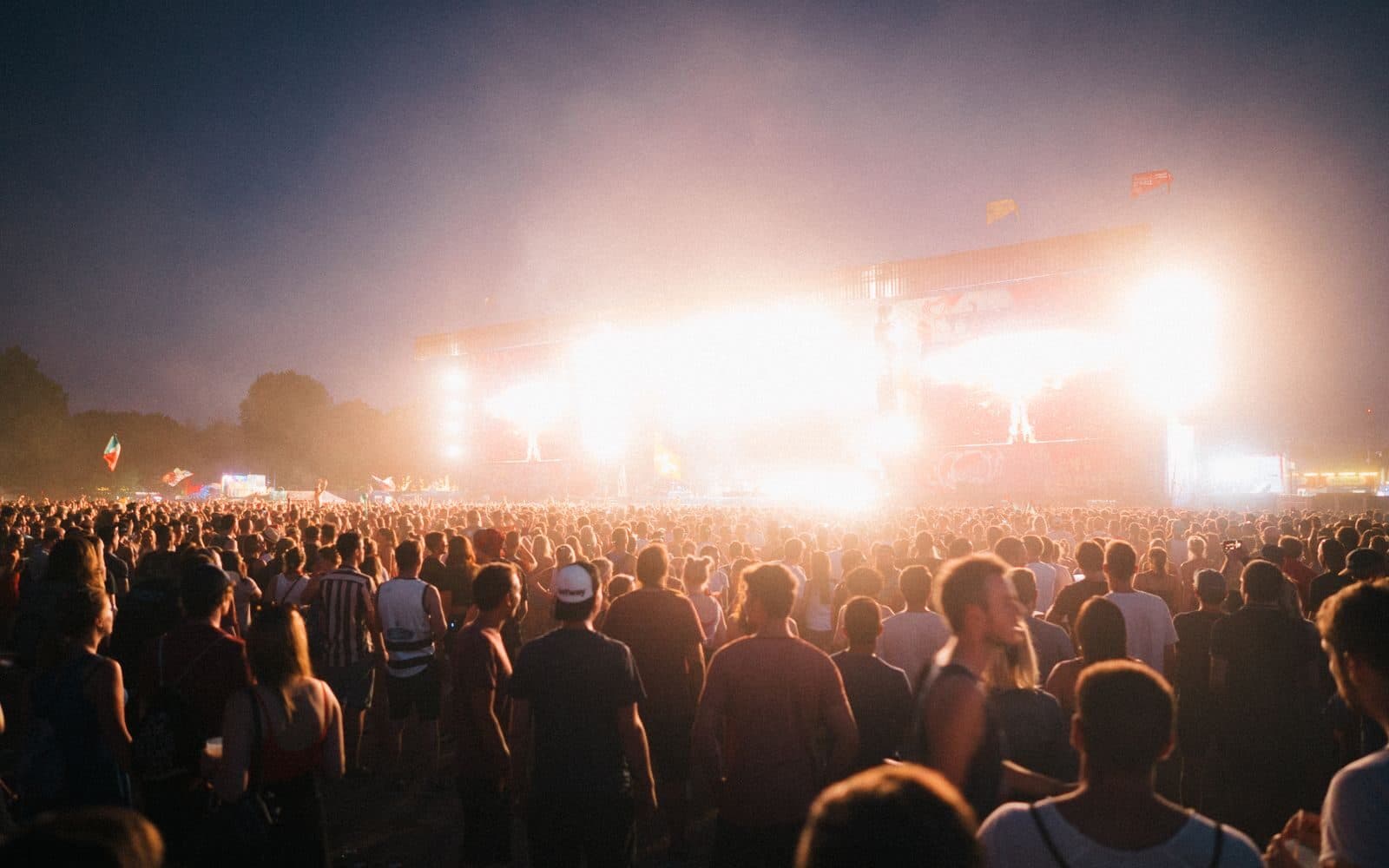
Welcome to the first edition of ARRIVE’s annual look at the live-entertainment economy. Drawing on what we see across the marketplace — the events people are booking, the talent in demand, and how expectations are shifting — here’s where live entertainment is headed in 2026, and what it means for performers, venues, hosts, and agencies.
Weddings: Experience Over Formality
Couples increasingly treat the wedding as a produced experience rather than a fixed template. Demand is strong for hybrid music setups — a ceremony musician or cocktail trio paired with a band or DJ for the reception — and for performers who can personalize key moments. The clear winners are versatile acts who read the room and make the night feel bespoke.
Corporate Events: Energy and Engagement
Corporate buyers are moving budget away from passive programming and toward entertainment that drives engagement — interactive performers, strong openers, and reception acts that fuel networking. The brief is consistent: reset the room’s energy and give attendees a story to take home.
Venues: Programming as a Profit Center
More venues are treating their calendar like a product — anchoring recurring nights, pricing entertainment like inventory, and measuring contribution per slot rather than ticket sales alone. The shift from “can we afford the act?” to “what does this night contribute?” is the defining venue mindset of 2026.
Speakers: Outcomes and Authenticity
For keynotes and panels, organizers are prioritizing speakers who deliver a clear, tailored takeaway over big-name booking for its own sake. Authentic, specific expertise and a willingness to customize the talk increasingly win over a polished but generic reel.
Hybrid Events Are Now the Default
In-person remains the heart of live events, but hybrid delivery — streamed keynotes, recorded sets, and content repurposed after the event — is now an expectation rather than an add-on. Performers and speakers who are comfortable on camera, and venues set up for clean capture, have a real edge.
AI in Event Planning
AI is quietly reshaping the back office of events — drafting briefs, matching talent to requests, and streamlining logistics — while the performance itself stays unmistakably human. The opportunity in 2026 is using AI to remove friction from discovery and booking, so organizers spend less time searching and more time on the experience.
The throughline of 2026: audiences want experiences that feel personal and alive, and the tools around booking them are finally catching up.
What It Means for You
Whether you book talent or are the talent, the same advice applies: lean into versatility, make discovery easy, and treat every event as an experience to be designed. We’ll track how these trends evolve in next year’s report — for now, the momentum is firmly behind live, personal, well-produced entertainment.
Search live talent
Find the right performer for your next event.
Request a free quote
Tell us about your event and get matched with talent in minutes.
Rachel Romi
Head of Content, ARRIVE
Rachel leads editorial at ARRIVE, turning marketplace data into practical playbooks for the venues, planners, agencies, and performers who power live events.