
How to Book Keynote Speakers for Conferences
A keynote can make or break a conference. This is the end-to-end process for sourcing, vetting, and securing the right speaker — on budget and without the last-minute scramble.

Rachel Romi
Head of Content, ARRIVE · May 4, 2026
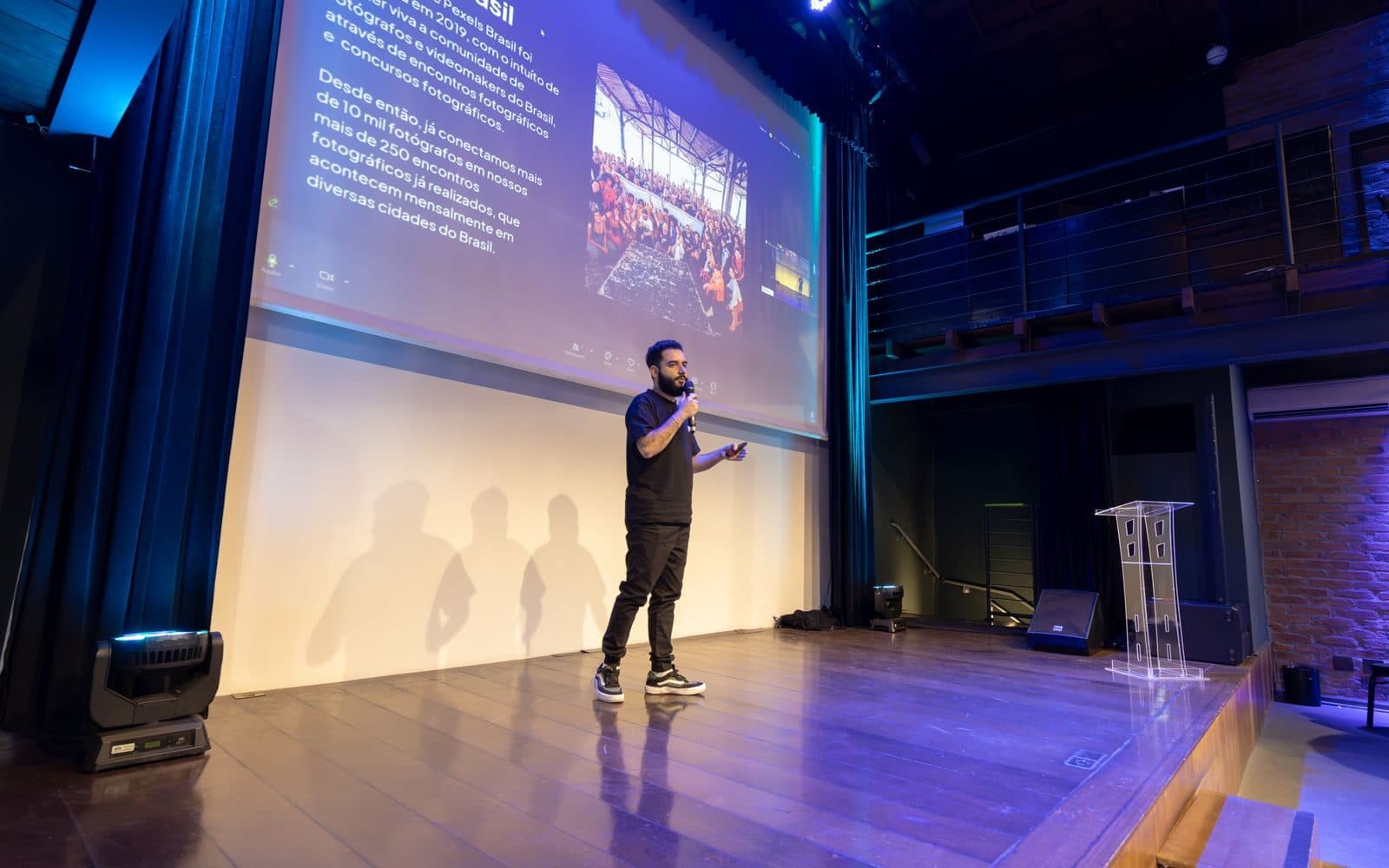
The keynote is the one moment every attendee remembers — and the one line item most likely to go over budget or off the rails. Booked well, it sets the tone for the entire event. Booked late, it becomes a frantic search for whoever is still available. The difference is process.
Define the job before the name
Decide what the keynote needs to accomplish before you fall in love with a particular speaker. Are you opening to energize, closing to inspire, or anchoring a theme? Write a one-paragraph brief — audience, takeaway, tone, and length — and use it to filter every candidate.
Vet for the room, not the resume
- Watch a full recent talk, not just a highlight reel
- Confirm they have spoken to an audience of your size and type
- Ask for references from events in the last 12 months
- Check availability and travel logistics before negotiating fee
Lock the logistics in the contract
Fee is only part of the deal. A clean speaker contract names the talk length, A/V and slide requirements, travel and lodging responsibility, a recording-rights clause, and a clear cancellation policy. Getting these in writing up front is what separates a smooth booking from a green-room emergency.
Book your keynote first and program the rest of the agenda around it — not the other way around.
Browse speakers
Find keynote and panel speakers for your next event.
Request a free quote
Tell us about your event and get matched with talent in minutes.
Rachel Romi
Head of Content, ARRIVE
Rachel leads editorial at ARRIVE, turning marketplace data into practical playbooks for the venues, planners, agencies, and performers who power live events.